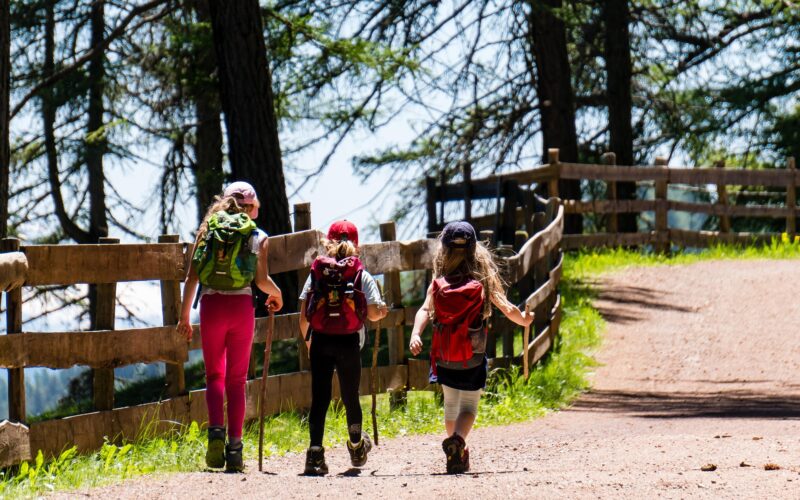
When we think about preparing for the future, we often picture sitting across a table, perhaps with a spreadsheet open or a notepad in hand. The setting is usually static, indoors, and fraught with the pressure of direct eye contact. However, evidence suggests that the best environment for tackling big life questions isn't a boardroom or a kitchen table, but a winding trail through the woods. Hiking offers a unique combination of physical exertion and mental clarity that creates the perfect conditions for both strengthening your heart and opening your mind to deeper, more honest dialogue.
The physical impact of hiking on cardiovascular health
At its core, hiking is a powerful cardiovascular workout that can significantly lower your risk of heart disease. Unlike running on a treadmill, trails offer variable terrain that naturally adjusts the intensity of your exercise. Climbing a steep incline forces your heart to pump harder, strengthening the cardiac muscle, while the descent allows for recovery. This interval-style training improves blood pressure and blood sugar levels, reducing the strain on your arteries over time. When you hike regularly, you are essentially training your heart to be more efficient, which is crucial for long-term health. The British Heart Foundation notes that even moderate activity like walking can help reduce cholesterol levels, further protecting your cardiovascular system.
How movement unlocks the mind
There is a profound connection between the rhythm of our feet and the flow of our thoughts. Psychologists have long observed that walking stimulates the brain in ways that sitting simply cannot. The bilateral movement—left foot, right foot—engages both hemispheres of the brain, facilitating better cognitive processing and creative thinking. When you are out on the trail, the distractions of modern life fade away. There are no buzzing phones, no household chores staring you in the face, and no screens demanding your attention. This absence of 'noise' allows your brain to relax its vigilance, creating space for introspection. It is in this state of moving meditation that we often find solutions to problems that seemed insurmountable back home.
Why difficult conversations are easier side-by-side
One of the most compelling reasons to take serious discussions outdoors is the dynamic of walking side-by-side. Facing someone directly can sometimes feel confrontational or intense, especially when the topic is sensitive, like financial planning, relationship goals, or career changes. When you hike, you are looking ahead at the path, not staring into each other's eyes. This shared forward focus reduces the emotional pressure of the conversation. It allows for comfortable silences where you can process what has been said without the awkwardness of feeling like you need to respond immediately. The act of moving in the same direction physically can subconsciously reinforce the feeling of being on the same team emotionally.
Nature as a neutral third party
The natural environment itself plays a crucial role in regulating our emotions. Research into 'forest bathing' and ecotherapy has shown that spending time in green spaces lowers cortisol levels, the body's primary stress hormone. When stress is low, we are less likely to become defensive or reactive during difficult conversations. The grandeur of nature—a sweeping valley view or a towering ancient tree—also helps to put our personal worries into perspective. Standing amidst a landscape that has existed for thousands of years can make our immediate anxieties feel smaller and more manageable. This shift in perspective is invaluable when discussing the future, as it encourages big-picture thinking rather than getting bogged down in minor details.
Building a shared vision through shared effort
There is something bonding about overcoming a physical challenge together. Reaching a summit or navigating a tricky section of a path releases endorphins and dopamine, the body's 'feel-good' chemicals. This shared sense of achievement creates a positive association with the conversation you had along the way. If you discuss your five-year plan while conquering a difficult hill, the memory of that conversation becomes linked to feelings of strength, resilience, and success. It frames the future not as something to be feared, but as another landscape to be explored and navigated together.
Integrating the trail into your routine
You don't need to climb a mountain every weekend to reap these benefits. Even a brisk walk in a local park or a weekend stroll through the countryside can provide the necessary backdrop for meaningful connection. The key is to make it intentional. Suggest a hike specifically when you know there is something important to discuss, framing it as an opportunity to get some fresh air rather than a serious meeting. Over time, the trail becomes a sanctuary for your relationship and your health, a place where your heart gets stronger in more ways than one. So, next time the future feels uncertain, lace up your boots and head outside; the answers might just be waiting round the next bend.